 DAVID
On the green
Putting: make the second putt short, then worry about poetry
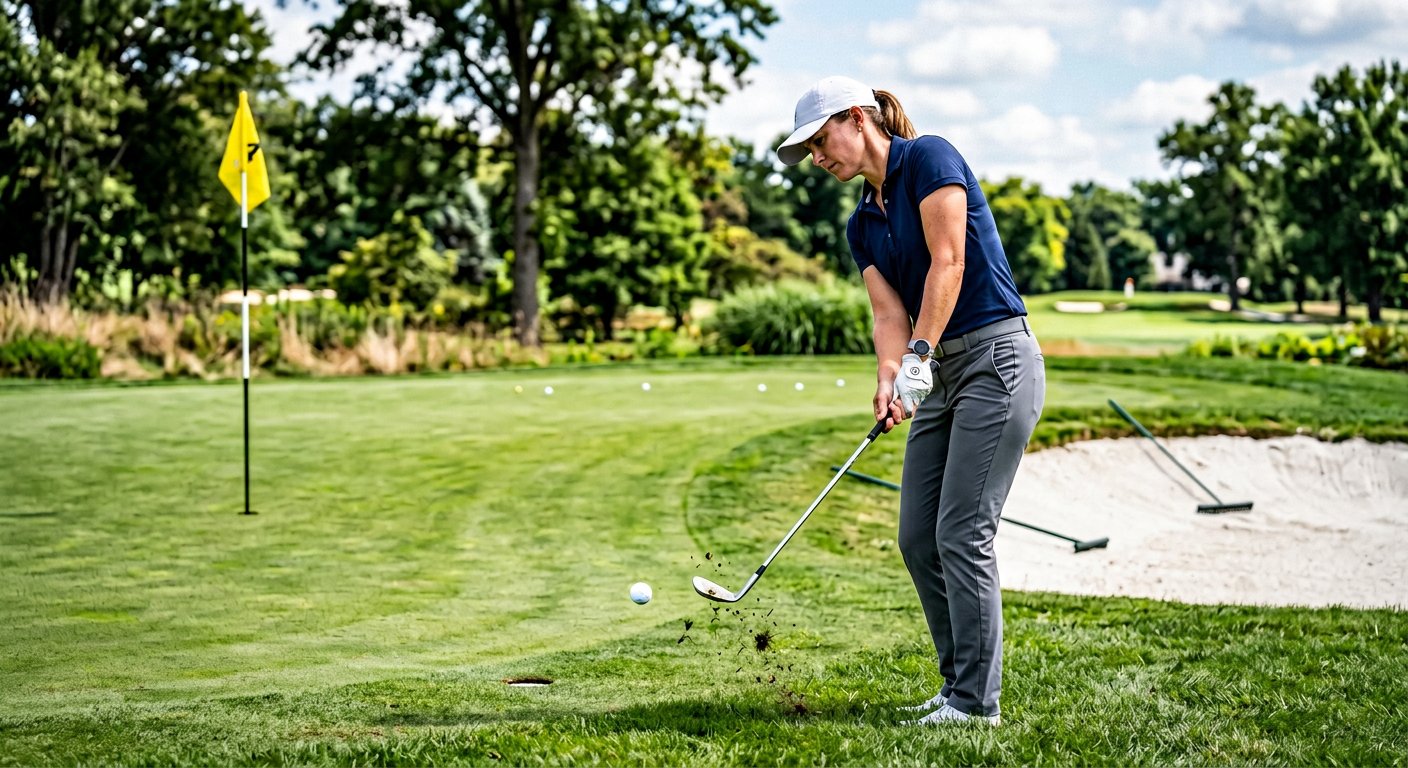
Players buy putters the way other people buy kettles — hoping the next one boils faster. Most three-putts I see are pace, not hardware. The first putt races six feet by, the comebacker is downhill and you are angry. That is not a face-balanced versus toe-hang problem.
A routine you can remember when you are shaking
- Look from behind the ball, then from the side that shows the slope.
- Pick a start line a cup or two in front of the ball — a discoloured blade of grass.
- One rehearsal that matches the length of the real stroke.
- Look at the hole once, look at the ball, go. No freeze-frame.
If your routine takes longer than the group’s patience, shorten it. Etiquette and putting are roommates.


Green reading without mysticism
Water flows downhill. Grain often grows toward that. On some Nairobi greens the afternoon grain is obvious once you have been burned. If you are a visitor, ask your caddie: “does this one die toward the clubhouse?” That question is worth more than squatting in four places like a film extra.
Lag first. Line second. Ego never.
Practice: 20 minutes of long putts to an empty spot, then ten short ones you must hole. Not the other way round. I run this inside short game clinics. Bring a putter and a stubborn three-putt.